Professional Audio
How to Choose the Right Analogue Mixer for Your Setup?
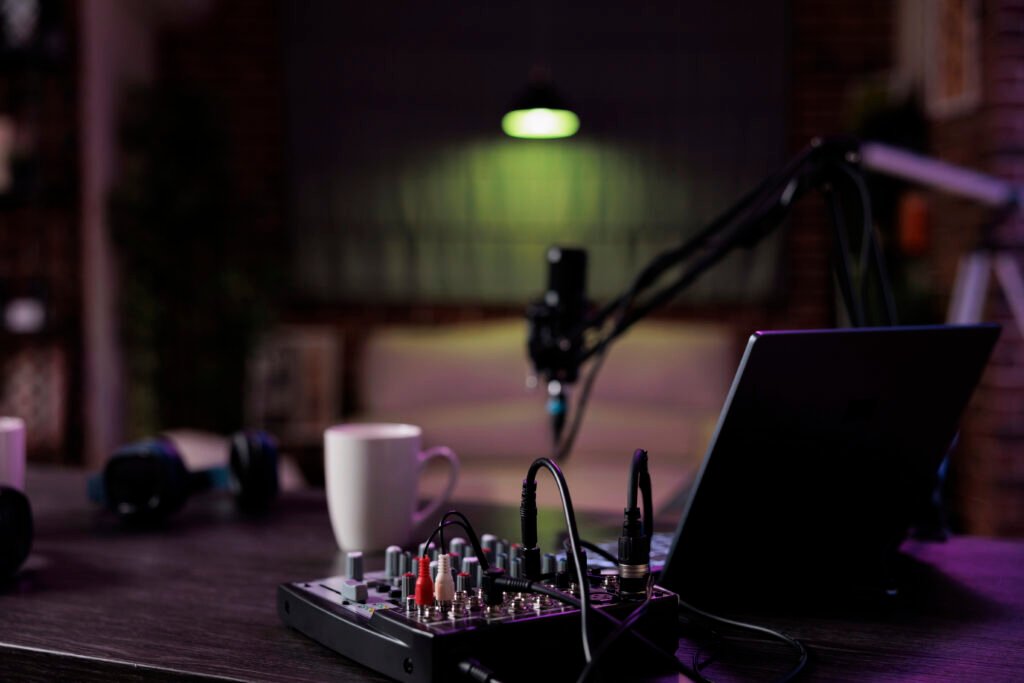
Analogue mixers remain a favorite for musicians, sound engineers, and event managers thanks to their hands-on control, reliability, and simplicity. Whether you’re building a home studio or setting up for live performances, the right mixer can make all the difference.
Here’s a step-by-step guide to help you choose the right analogue mixer for your setup.
1. Start with Channel Count
The first thing to consider is how many audio sources you’ll connect.
- Small setups (2–6 channels): Ideal for solo performers, podcasters, or small groups.
- Medium setups (8–16 channels): Suited for small bands, DJs, or studio recording.
- Large setups (24+ channels): Great for live events, large ensembles, or multi-track recording.
👉 Pro Tip: Always plan for a few extra channels beyond your current needs. It gives you flexibility as your setup grows.
2. Look at EQ and Tone Control
One of the strengths of analogue mixers is their built-in EQ.
- 2-band EQ (bass & treble): Simple and easy for quick adjustments.
- 3-band or 4-band EQ with mid control: More flexibility to fine-tune vocals and instruments.
- Onboard effects (reverb, delay, etc.): Useful for singers or live performances, but not essential if you already use external gear.
If you work with vocals, having a sweepable mid EQ can be especially helpful for reducing muddiness and enhancing clarity.
3. Inputs, Outputs & Connectivity
Make sure the mixer has the right I/O (inputs and outputs) for your setup.
- Mic inputs (XLR): Needed for microphones and DI boxes.
- Line inputs (¼-inch or RCA): For instruments, keyboards, or audio players.
- Aux sends: To route audio to stage monitors or external processors.
- Recording outputs: Handy if you want to connect to a computer or external recorder.
Think about both your current setup and any future needs.
4. Consider Size & Portability
Analogue mixers come in all shapes and sizes.
- Compact mixers: Lightweight and portable which are good for solo performers, podcasters, or small events.
- Medium mixers: Balanced size with more features for bands or studios.
- Large consoles: Heavier but more powerful, perfect for professional venues and large-scale events.
Pick one that fits your workspace or is easy to transport if you gig often.
5. Budget and Reliability
Analogue mixers vary widely in price. While budget-friendly options can work well for beginners, higher-quality models generally offer:
- Better sound quality
- More durable components and faders
- Longer-lasting performance
Think of your mixer as a long-term investment, one that can grow with you.
Final Thoughts
Choosing the right analogue mixer comes down to understanding your channel needs, EQ flexibility, connectivity, size, and budget.
- For a home studio, a smaller mixer with USB recording and a few good EQ options may be enough.
- For bands or small live events, a medium-sized mixer with multiple aux sends and strong EQ control works well.
- For large events or professional setups, a bigger console provides more control and flexibility.
At the end of the day, the best mixer is one that fits your workflow, your environment, and your future goals.