Professional Audio
Types of Microphones Used in Studio Setups and How to Choose One
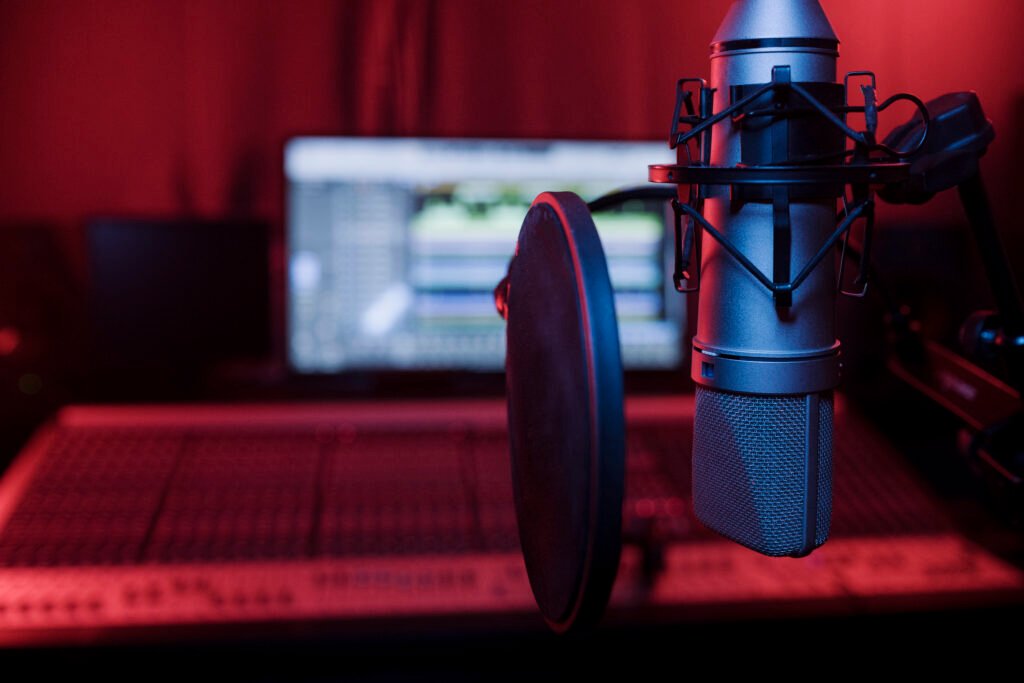
Microphones Commonly Used in Studio Setups
The microphone is the heart of any recording studio. Whether you’re capturing vocals, acoustic instruments, podcasts, or live performances, the right mic makes all the difference. But with so many options available, how do you know which one is best for your studio setup?
Here’s a breakdown of the main types of microphones used in studios and their ideal applications.
1. Condenser Microphones – The Studio Standard
Condenser microphones are the most popular choice for studio recording because of their sensitivity and accuracy.
- Best For: Vocals, acoustic guitars, pianos, strings, podcasts, and voiceovers
- Why Choose Them: They capture detail, clarity, and a wide frequency range
- Phantom Power Needed: They require external power (usually from your audio interface)
👉 These mics excel at picking up subtle nuances, making them the go-to for professional vocal recordings.
2. Dynamic Microphones – Durable and Versatile
Dynamic microphones are known for their rugged build and ability to handle high sound pressure levels (SPL).
- Best For: Drums, guitar amps, brass instruments, and live vocals
- Why Choose Them: They’re less sensitive to background noise, making them great for untreated rooms
- No External Power Needed: Plug and play, no phantom power required
👉 While not as detailed as condensers, dynamics are reliable workhorses in any studio.
3. Ribbon Microphones – Smooth and Natural Sound
Ribbon microphones are prized for their warm, vintage tone and smooth response.
- Best For: Strings, brass, room ambiance, and certain vocal styles
- Why Choose Them: They capture a natural, flattering sound that feels organic
- Caution: More delicate than condensers and dynamics, requiring careful handling
👉 Ribbon mics are often used to add character to recordings, especially in professional studios.
4. Choosing the Right Mic for Your Setup
When deciding which microphone to add to your studio:
- For Beginners/Home Studios: Start with a condenser mic for vocals and acoustic instruments
- For Loud Sources: Add a dynamic mic for drums or amps
- For Extra Character: Consider a ribbon mic once you expand your gear collection
Tip: No single mic can do everything perfectly. Many studios use a combination of different types to cover all recording needs.
Final Thoughts
Microphones are more than just tools, they shape the sound of every recording. By understanding the differences between condenser, dynamic, and ribbon microphones, you can make smarter choices and build a studio setup that matches your recording style.
Whether you’re a podcaster, musician, or producer, investing in the right microphone is the first step toward achieving professional quality sound.
Ready to upgrade your studio? Explore our complete range of studio microphones to find the perfect fit for your setup.